Beyond Machu Picchu: Discovering the Living Amazon of Peru
Introduction: Peru Beyond the Postcard
When people think of Peru, Machu Picchu often dominates the imagination. However, Peru is far more than its iconic Inca citadel. Beyond the Andes lies a vast, living world that breathes, sings, and evolves every day: the Peruvian Amazon. This immense region represents one of the most biodiverse ecosystems on Earth and offers travelers an experience that is not only unforgettable, but deeply transformative.
In fact, discovering the Amazon of Peru means stepping into a world where nature, culture, and sustainability coexist. Moreover, it is an opportunity to explore authentic landscapes while supporting conservation and local communities.
The Peruvian Amazon: A Living Treasure
Covering nearly 60% of Peru’s territory, the Amazon rainforest is a complex web of rivers, forests, and wildlife. Unlike traditional tourist destinations, this region is alive in every sense: sounds of wildlife at dawn, mist rising from the canopy, and communities preserving ancestral traditions.
Why the Amazon Matters
First and foremost, the Amazon plays a crucial role in regulating the global climate. Additionally, it stores massive amounts of carbon and produces oxygen vital to the planet. As a result, visiting responsibly helps reinforce global conservation efforts.
Furthermore, Peru’s Amazon is home to:
- Over 1,800 species of birds
- More than 500 species of mammals
- Thousands of plant species used in traditional medicine
Consequently, it is a destination where every journey becomes an educational and emotional experience Manu Jungle Trips.
Manu National Park: The Heart of the Living Amazon
Among all Amazonian destinations, Manu National Park stands out as one of the most pristine and protected areas in the world. Declared a UNESCO World Heritage Site, Manu is a sanctuary for wildlife and a model of sustainable tourism.
What Makes Manu Unique
Unlike mass tourism zones, Manu Jungle limits visitor numbers. Therefore, each journey is exclusive and immersive. Travelers move gradually from cloud forests into lowland rainforest, witnessing dramatic changes in flora and fauna.
In addition:
- No large-scale hotels exist inside the reserve
- Local guides are trained in conservation
- Tourism revenue directly supports protection efforts
As a result, Manu National Park offers a rare balance between exploration and preservation.
Wildlife Encounters That Change You
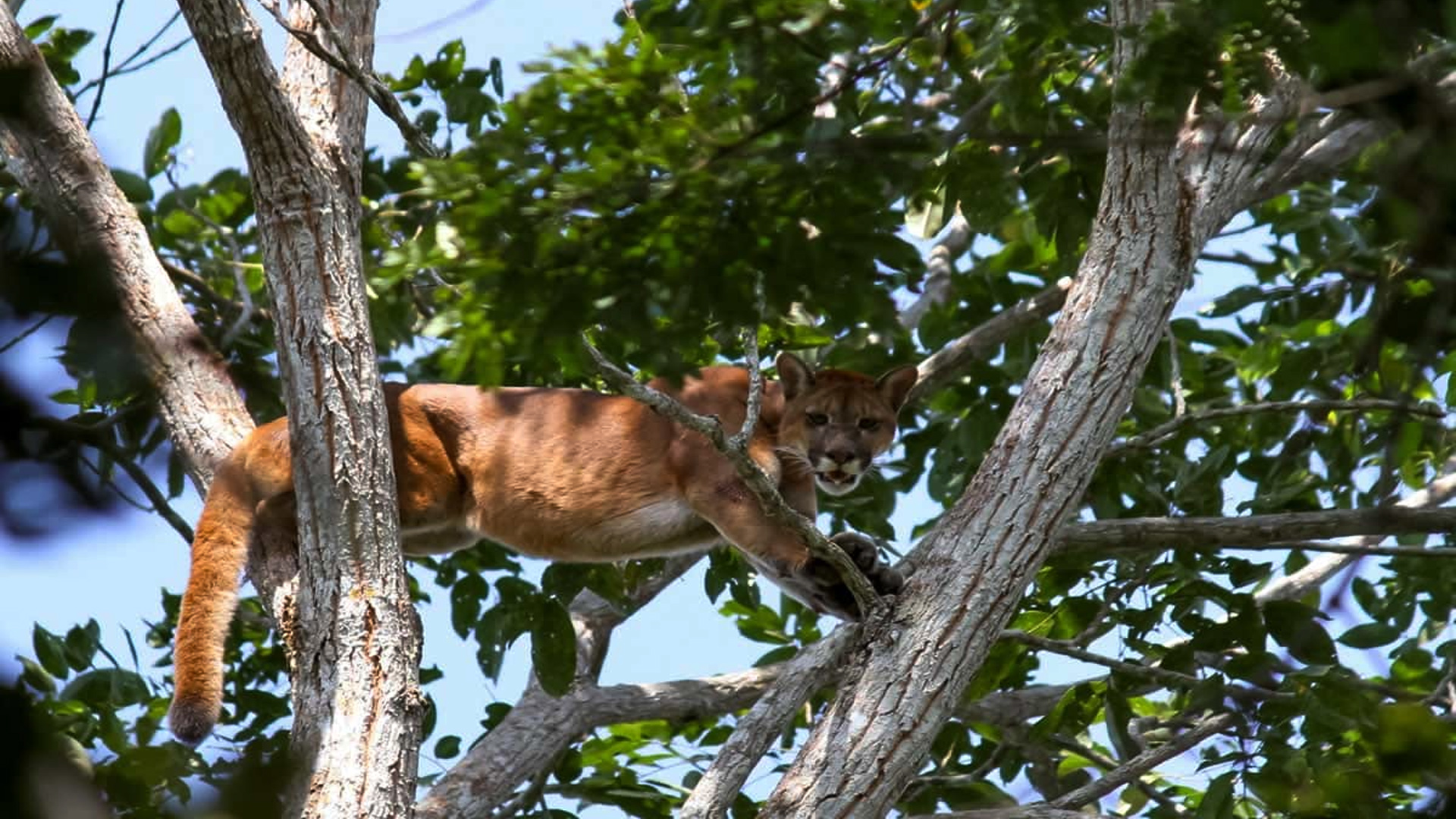
One of the strongest reasons to visit the Peruvian Amazon is wildlife observation. However, this is not a zoo-like experience. Instead, animals appear naturally in their habitat, making every sighting meaningful.
Iconic Species You May Encounter
- Jaguar resting near riverbanks
- Giant river otters hunting cooperatively
- Macaws gathering at clay licks
- Tapirs, monkeys, and countless amphibians
Importantly, sightings are never guaranteed. Yet, this uncertainty makes each encounter authentic and unforgettable – Manu Jungle Trips.
Indigenous Communities: Living Culture of the Amazon
Beyond biodiversity, the Amazon is also home to indigenous communities who have lived in harmony with nature for centuries. Visiting these communities respectfully allows travelers to understand the Amazon as a cultural landscape, not just a natural one.
Cultural Experiences That Matter
Visitors may learn about:
- Traditional fishing techniques
- Medicinal plants and natural remedies
- Sustainable agriculture methods
- Storytelling and spiritual beliefs
Moreover, responsible tours ensure that interactions are consensual and beneficial for local families. Thus, tourism becomes a tool for cultural preservation rather than exploitation.
Sustainable Tourism: Traveling With Purpose
In recent years, sustainable travel has become more than a trend; it is a necessity. The Peruvian Amazon is a prime example of how tourism can support conservation instead of harming it.
How Responsible Travel Makes a Difference
When you choose ethical operators:
- Lodges use solar energy and biodegradable materials (amazon lodge, sandoval lake lodge, tambopata lodge)
- Waste is minimized and managed responsibly
- Local staff receive fair wages and training
Therefore, each traveler contributes directly to protecting the rainforest.
From Cusco to the Amazon: A Seamless Journey
Many travelers assume visiting the Amazon is complicated. In reality, it can be seamlessly combined with a trip to Cusco and Machu Picchu.
Typical Travel Route
- Explore Cusco and the Sacred Valley
- Visit Machu Picchu by train or by bus
- Travel to Puerto Maldonado or directly to Manu Jungle Trips, Sandoval lake lodge, tambopata reserved
- Enter the amazon rainforest with certified guides
Consequently, Peru offers one of the most diverse travel experiences in South America within a single itinerary.
Best Time to Visit the Peruvian Amazon
Although the Amazon can be visited year-round, each season offers distinct advantages.
Seasonal Highlights
- Dry season (May–October): Better trails and wildlife visibility
- Wet season (November–April): Lush landscapes and fewer tourists
Ultimately, the best time depends on your travel goals. Both seasons reveal different faces of the rainforest.
Photography and Nature Observation
For photographers and nature lovers, the Amazon is a paradise. Early mornings and sunset boat rides offer dramatic lighting and endless subjects.
Additionally, experienced guides help spot animals hidden within the dense vegetation, increasing observation opportunities without disturbing wildlife.
Why the Amazon Experience Is Transformational
Unlike traditional tourism, an Amazon journey often leaves travelers changed. Disconnecting from urban life and reconnecting with nature fosters reflection and awareness.
Many travelers report:
- Greater appreciation for nature
- Increased environmental consciousness
- Emotional connection to conservation
Therefore, visiting the Amazon is not just a trip—it is a personal transformation.
Supporting Conservation Through Travel
Tourism revenue in protected areas like Manu funds research, park rangers, and environmental education. Without responsible tourism, many conservation projects would lack financial support.
By choosing ethical travel, visitors become allies of the rainforest.
Conclusion: Beyond Machu Picchu Lies Peru’s Soul
Machu Picchu may be the gateway to Peru, but the living Amazon is its soul. Beyond stone walls and ancient ruins, the rainforest offers a deeper understanding of life, balance, and responsibility.
By discovering the Peruvian Amazon, travelers embrace a journey that connects culture, biodiversity, and sustainability. Ultimately, this experience goes far beyond sightseeing—it becomes a meaningful contribution to one of the most important ecosystems on Earth.
Discover Peru responsibly. Travel beyond Machu Picchu. Explore the living Amazon