Introduction: An Amazonian Paradise in Southern Peru
Deep in the department of Madre de Dios, in southeastern Peru, stretches a territory as vast as it is fascinating: the Tambopata National Reserve.
This natural sanctuary is one of the Amazon’s most iconic destinations, internationally recognized for its extraordinary biodiversity and for offering unique ecotourism experiences.
From the very first moment a traveler steps onto its trails, the jungle reveals itself as a universe teeming with life: brightly colored macaws soar across the sky, capuchin monkeys leap between branches, and the murmur of the Tambopata River accompanies each step.
Therefore, visiting this place is not just a trip but a total immersion into one of the richest ecosystems on the planet.
Moreover, the reserve is not only a tourist attraction; it is also a vital space for the conservation of endangered species and for the livelihood of communities that have coexisted with the jungle for generations.
1. Location and Access: Where It Is and How to Get There
The Tambopata National Reserve is located in the Madre de Dios region, in the province of Tambopata, in southeastern Peru. It borders the city of Puerto Maldonado to the north, Bolivia to the east, and the Bahuaja-Sonene National Park to the south.
How to Get There from Lima or Cusco
-
By plane: The fastest way is to fly to Puerto Maldonado. From Lima, the flight takes about 1 hour 45 minutes; from Cusco, less than 1 hour.
-
By land: From Cusco, traveling along the Interoceanic Highway takes between 10 and 12 hours, passing through Andean and Amazonian landscapes.
-
By boat: Once in Puerto Maldonado, access to the most interesting areas of the reserve is by navigating the Tambopata River. As a result, the journey itself becomes part of the adventure, with wildlife sightings from the boat.
Location Map
Although digital maps help, it is advisable to carry a physical map of the reserve. This way, you can identify routes and key points even without internet signal.
2. History and Creation of the Reserve
The Tambopata National Reserve was officially created on September 4, 2000, by supreme decree, covering an area of 274,690 hectares.
Its main goal was to protect biological diversity and ensure the sustainable use of resources by local communities.
Before being recognized as a protected area, the region was already famous among researchers and naturalists. In the 1970s, explorers and scientists began documenting the immense number of plant and animal species, which led to the idea of preserving it.
For this reason, its creation was seen as a key step in curbing deforestation, poaching, and illegal mining.
Additionally, establishing the reserve opened new opportunities for sustainable tourism, providing an economic alternative to extractive activities.
3. Biodiversity: A Living Laboratory
The Tambopata National Reserve is considered one of the most biologically diverse places on the planet. It is estimated to host:
-
Over 1,200 butterfly species
-
Around 600 bird species
-
169 mammal species
-
103 amphibian species
-
91 reptile species
Iconic Wildlife
Among the most sought-after species by travelers are:
-
Scarlet, blue, and green macaws visiting the famous clay licks.
-
Giant otter (Pteronura brasiliensis), endangered.
-
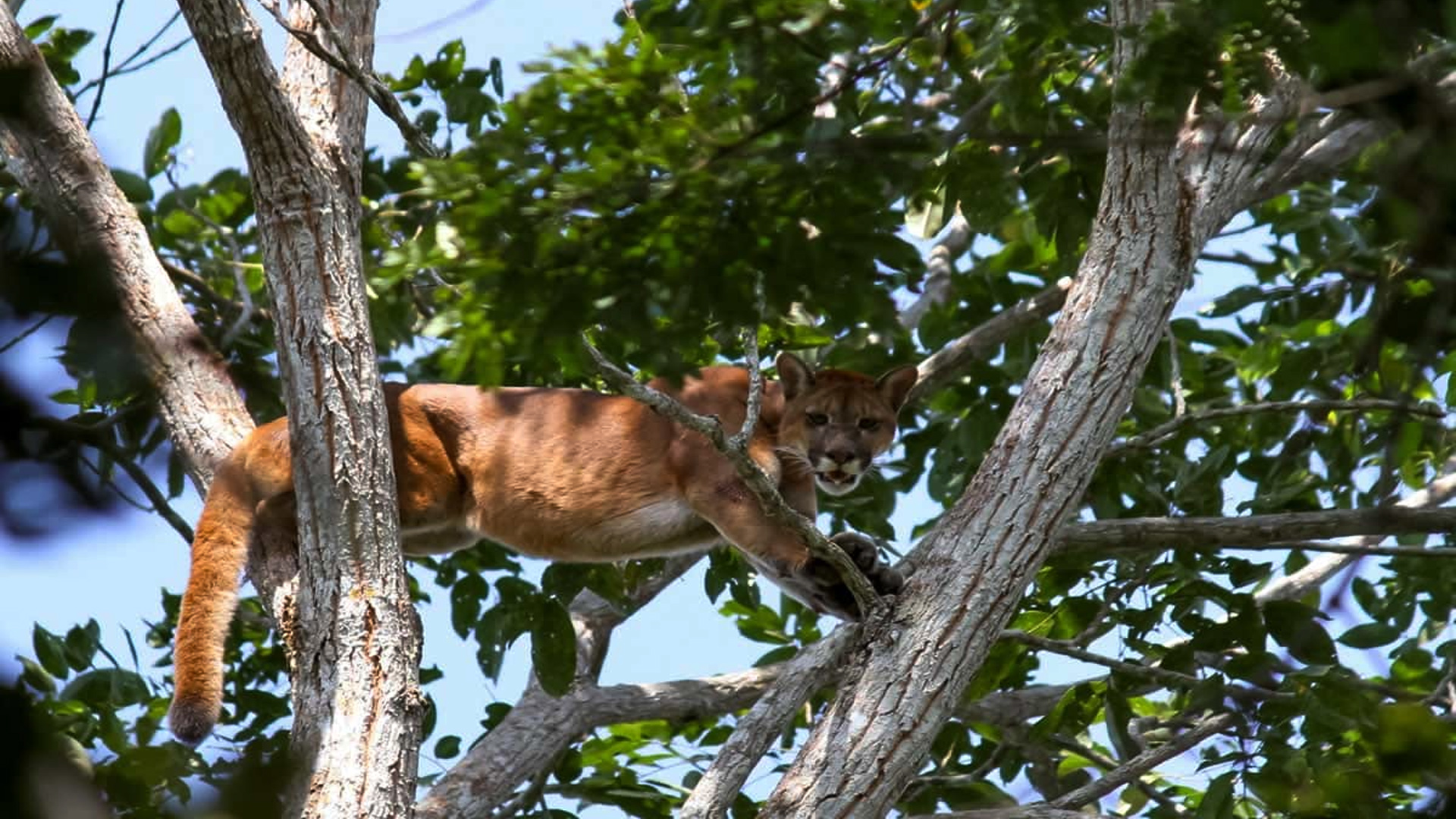
Jaguar (Panthera onca), the great cat of the Americas.
-
Spider monkey (Ateles chamek), one of the most acrobatic primates.
-
Black caiman (Melanosuchus niger), an inhabitant of rivers and lakes.
Amazing Flora
Vegetation in Tambopata includes towering trees such as:
-
Shihuahuaco (Dipteryx micrantha), which can live for over 700 years.
-
Ceiba (Ceiba pentandra), with trunks up to 3 meters in diameter.
-
Medicinal plants traditionally used by native communities.
Consequently, each guided excursion becomes a practical lesson in tropical biology.
4. Tourist Attractions: What You Can’t Miss
4.1. Collpa Colorado
Known as the largest macaw clay lick in the world, this clay bank draws hundreds of macaws, parrots, and parakeets every morning. The spectacle of color and sound is unforgettable.
4.2. Lake Sandoval
Located within the reserve, it is reached after a hike and a canoe ride. Its calm waters are home to giant otters, aquatic birds, and caimans.
4.3. Night Walks
The jungle at night is a completely different world: bioluminescent insects, tree frogs, fishing bats, and mammals rarely seen during the day.
4.4. Canopy Towers and Hanging Bridges
Several areas have observation towers that allow you to see the jungle from the canopy. Moreover, some lodges offer tours over hanging bridges more than 30 meters high.
4.5. Cultural Experiences
Local communities like the Ese Eja offer handicraft workshops, traditional fishing demonstrations, and tastings of Amazonian food.
5. Getting Around Inside the Reserve
Most tours start in Puerto Maldonado.
From there, generally, travelers take a boat to the lodge or campsite they have booked. Travel time ranges from 30 minutes to over 4 hours depending on location.
Therefore, it is advisable to plan in advance and book with authorized operators.
Inside the reserve, transportation is mostly on foot or by boat, always accompanied by official guides.
6. Best Time to Visit
The Amazon has two well-defined seasons:
-
Dry season (May to October): Less rain, lower rivers, more accessible trails.
-
Rainy season (November to April): Higher river levels, lusher vegetation, but more mosquitoes and limited access to certain areas.
Consequently, if you seek comfort, the dry season is ideal; if you prefer intensely green landscapes and fewer tourists, the rainy season is perfect.
7. Practical Tips for Travelers
-
Bring lightweight, quick-dry clothing, preferably long-sleeved.
-
Use insect repellent and sunscreen.
-
Book tours with certified companies for safety and sustainability.
-
Follow guides’ instructions to avoid disturbing wildlife.
-
Leave no trash and avoid single-use plastics.
8. Responsible Tourism and Sustainability
Tourism in Tambopata is based on the idea that protecting the forest is profitable.
Thus, each traveler who chooses a responsible operator helps conserve habitats, create local jobs, and support research projects.
9. Comparison with Other Amazonian Destinations
Manu vs Tambopata
-
Manu is more remote and harder to reach but offers greater habitat diversity (from Andean puna to lowland rainforest).
-
Tambopata is more accessible from Puerto Maldonado and boasts the largest macaw clay lick in the world.
Bahuaja-Sonene
Neighboring Tambopata, this park features unique habitats like the Heath savannah, which exists nowhere else in Peru.
10. Conclusion
The Tambopata National Reserve is much more than a tourist destination: it is a refuge for life, an open-air classroom, and a reminder of the importance of preserving our ecosystems.
Ultimately, traveling here is an experience that leaves a lasting mark both in the heart and in one’s awareness.