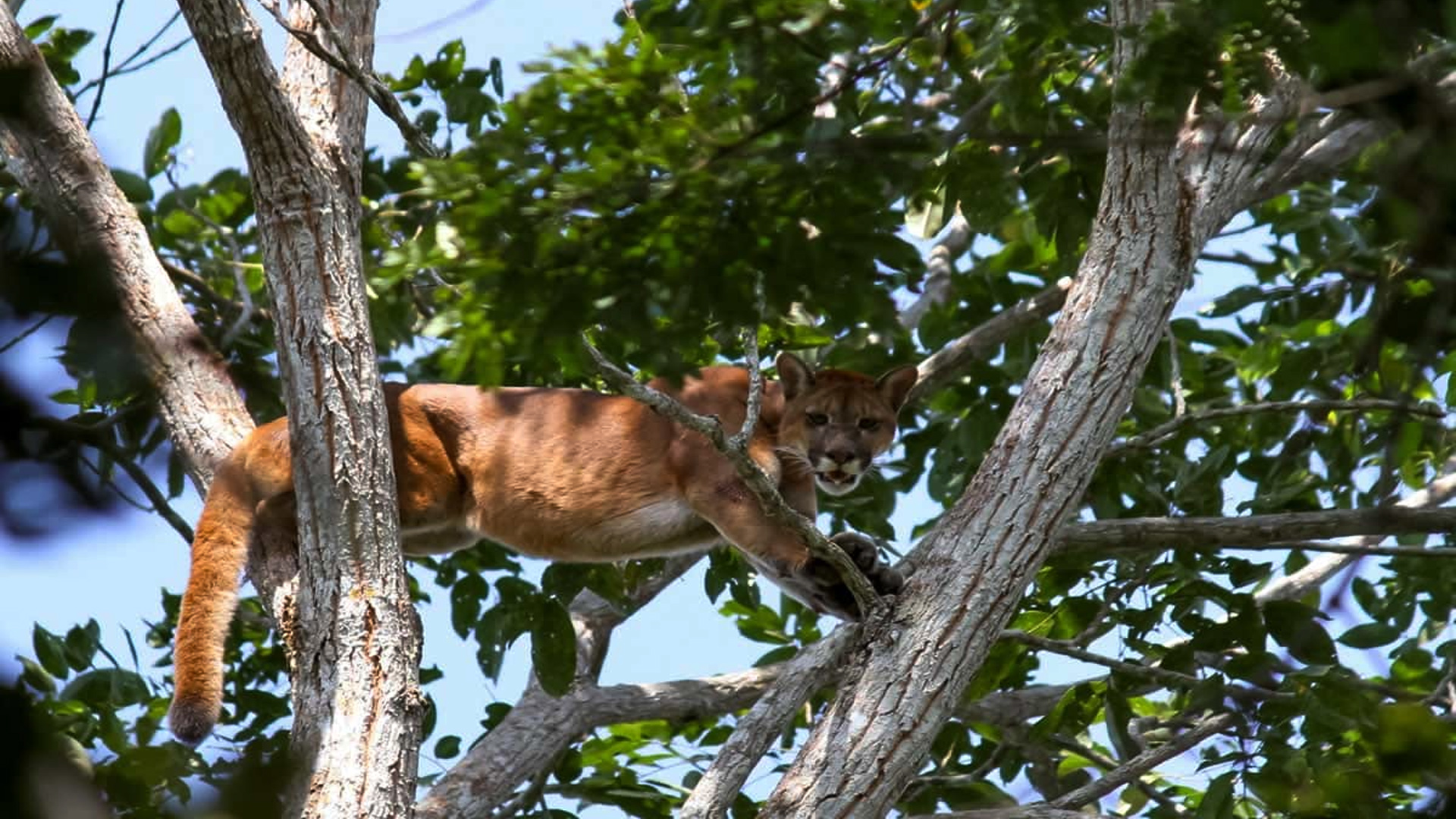
Dreaming of Manu’s biodiversity? Discover the most comprehensive guide to reaching the Manu Reserve from Cusco. We explain every step, transport options, duration, and key tips for your adventure. Get ready for an unforgettable experience in the Peruvian jungle!
Dive into Peru’s Green Heart: Your Manu Adventure Starts Here
The Manu Biosphere Reserve is, without a doubt, one of the most spectacular and biodiverse wildlife destinations on the planet. Located in the Amazon basin of Peru, this natural gem awaits you with an exuberance that defies imagination. From majestic jaguars and tapirs to a symphony of endemic birds and plants, Manu is a sanctuary for those seeking a deep connection with untouched nature.
If you’re planning your trip to Peru and Cusco is your starting point, it’s natural to wonder: how do I get to this Amazonian paradise? The journey to Manu is an adventure in itself, full of changing landscapes and authentic experiences. Therefore, we’ve created this comprehensive guide to answer all your questions and make your journey easier. Here, we’ll detail each step, so your planning is as simple as it is exciting, encouraging you to live this unique experience.
Planning Your Expedition: What You Need to Know Before You Go
Before delving into the details of the journey, it’s essential to understand some key considerations that will make your trip to Manu more pleasant and safe. First and foremost, the Manu Reserve is not a destination you can reach independently and explore freely without prior coordination. In fact, to enter the Reserved Zone or Core Zone, it is mandatory to do so through an authorized travel agency and with specialized guides. This not only ensures your safety but also contributes to the conservation of the ecosystem.
Furthermore, the duration of your trip to Manu from Cusco can vary significantly. Generally, expeditions usually last between 4 and 7 days, depending on the itinerary and how deeply you wish to explore the jungle. Likewise, the best time to visit is during the dry season, from May to October, when rainfall is less intense and wildlife viewing is more favorable.
Finally, make sure you have all your gear ready: light, long-sleeved clothing, insect repellent, sunscreen, a hat, trekking boots, binoculars, and a good camera. Remember that being well-prepared will make a big difference in your experience.
Main Access Route: Cusco to the Gateway of Manu
The most common and established way to get to the Manu Reserve from Cusco involves a combination of land and river transport. To begin with, your adventure will start in the city of Cusco, from where you’ll head towards the cloud forest (ceja de selva).
Step 1: From Cusco to Paucartambo / Atalaya or Shintuya (Land Transport)
The first leg of your journey will take you from Cusco along a winding road that ascends the Andes and then gradually descends into the Amazon rainforest.
-
Scenic Route from the Andes to the Jungle: The vehicle journey from Cusco will offer spectacular views, passing through picturesque Andean villages and landscapes that change dramatically from high mountains to dense subtropical vegetation. What’s more, stops are often made at points of interest such as the Chullpas de Ninamarca, pre-Inca cemeteries, or the quaint colonial town of Paucartambo, famous for its festivities and traditional balconies.
-
Tres Cruces Viewpoint (Optional): If your itinerary allows and you travel during certain times of the year, especially during the winter solstice (June), you might visit the Tres Cruces Viewpoint, known for one of the most impressive sunrises in the world, where a unique optical phenomenon is observed. However, keep in mind that this detour adds time to the journey.
-
Key Land Destinations: Depending on your tour’s logistics, land transport will take you to one of the following points, which serve as river “gateways” to Manu:
-
Atalaya: This is one of the most common river ports. The journey from Cusco to Atalaya can take between 8 and 10 hours, depending on road conditions and stops. Although it’s a long journey, the beauty of the landscape will keep you captivated.
-
Shintuya: Another boarding point, perhaps slightly further south than Atalaya, but with a similar dynamic in terms of travel times.
-
Boca Colorado: In some itineraries that focus on the Cultural Zone or lower areas, the land destination might be Boca Colorado, which is further northeast.
-
Important Considerations for Land Transport:
-
Vehicle Type: Agencies typically use minibuses or 4×4 trucks, suitable for mountain and jungle roads.
-
Road Conditions: The road from Cusco to the jungle (Interoceanic Southern Highway) is constantly improving, nevertheless, certain sections can be steep, narrow, or affected by rain, especially in the wet season. For this reason, travel duration may vary.
-
Stops and Meals: Your tour will include strategic stops to stretch your legs, enjoy the views, and have lunch along the way.
Step 2: River Navigation into the Manu Reserve (Motorized Boat)
Once you reach the river port (Atalaya, Shintuya, or Boca Colorado), the true Amazonian adventure begins aboard a motorized boat, commonly called a “peque-peque” or riverboat.
-
Descent along the Madre de Dios or Palotoa River: From Atalaya, you’ll primarily navigate the Madre de Dios River (or the Alto Madre de Dios River, depending on the starting point). If you depart from Shintuya, navigation might be along the Palotoa River or tributaries that join the Madre de Dios.
-
Entry to the Reserved Zone: The duration of the boat trip will depend on how deep into the Manu Reserve your lodge or campsite is located.
-
To reach lodges located in the Cultural Zone (buffer zone), navigation may take a few hours.
-
However, to venture into the Reserved Zone (the most protected and biodiverse part, where most tours head to maximize wildlife viewing), navigation can extend for several hours, and even a full day, because you’re traveling downstream into the National Park.
-
-
The River Experience: River navigation is an integral part of the Manu experience. As you move along, you’ll have the opportunity to spot an incredible variety of birds along the riverbanks, such as macaws, parrots, herons, and kingfishers. In addition, it’s not uncommon to see caimans, capybaras, and even jaguars or tapirs drinking water, especially during the early morning or at dusk. Your guide will point out the flora and fauna, enriching your journey.
-
Boat Comfort: The boats are covered to protect you from the sun and rain, and are equipped with seats for your comfort. Of course, safety is paramount, and life jackets are provided.
Route Options and Variations: Zones of Manu
It’s crucial to understand that the Manu Reserve is divided into different zones, and your exact route will depend on which of these zones you’ll be visiting.
1. Cultural Zone (or Buffer Zone):
-
Characteristics: This is the most accessible zone and is located on the fringes of the National Park. Although it’s not the Reserved Zone, it still offers impressive biodiversity and is ideal for shorter tours or for those on a tighter budget.
-
Access: The journey is usually Cusco – Atalaya (land) and then Atalaya – Lodge in the Cultural Zone (river, shorter).
-
Activities: Walks along trails, birdwatching, visits to local communities, nocturnal excursions.
2. Reserved Zone (Manu National Park):
-
Characteristics: This is the crown jewel of Manu, with the highest concentration of wildlife and pristine ecosystems. Access is strictly controlled.
-
Access: Generally, the route is Cusco – Atalaya – Boca Manu (land and river), and then continues downstream along the Manu River to lodges within the Reserved Zone. This journey takes more time, but the reward is incomparable.
-
Activities: Intensive wildlife viewing (parrots, macaws, monkeys, caimans, jaguars), visits to cochas (oxbow lakes) with giant otters, deep jungle treks, exploration of canopy observation towers.
3. Core Zone (Untouchable):
-
Characteristics: This area is strictly protected and only accessible to authorized scientific researchers. In other words, tourists cannot enter this zone.
In summary, your specific itinerary will be designed by the travel agency based on the zone you explore and the duration of your tour. Therefore, it’s essential that you discuss your expectations with them.
Essential Tips for a Successful Trip to Manu
To ensure your expedition to Manu is as pleasant as possible, here are some additional tips:
-
Book in Advance: Especially during peak season (June to September), Manu tours fill up quickly. Therefore, book your spot months in advance.
-
Choose a Reliable Agency: Research and select a travel agency with experience and good reviews that prioritizes sustainability and respect for the environment and local communities. Make sure they are authorized by SERNANP (National Service of Natural Protected Areas by the State).
-
Be Flexible: Jungle weather can be unpredictable. Although carefully planned, heavy rains can alter travel plans or transfer durations. Have a flexible attitude and enjoy the adventure.
-
Vaccinations and Health: Consult your doctor about recommended vaccinations for jungle travel, such as yellow fever. Likewise, carry a basic first-aid kit and personal medications.
-
Mosquito Protection: Mosquitos are abundant in the jungle. Use repellent with DEET and wear long-sleeved clothing and pants to minimize bites.
-
Respect Nature: Always follow your guide’s instructions, do not litter, do not feed animals, and maintain a respectful distance from wildlife. Remember that you are a visitor in their home.
-
Digital Detox: Connectivity in Manu is limited or nonexistent. Take this opportunity to disconnect and fully immerse yourself in nature.
-
Prepare Your Camera: Manu is a photographer’s paradise. Bring extra batteries, memory cards, and protection for your equipment against humidity.
-
Local Currency: Although most expenses will be covered by your tour, carry some cash (Peruvian soles) for small purchases or tips.
Frequently Asked Questions (FAQ) about Traveling to Manu from Cusco
1. Is it safe to travel to the Manu Reserve from Cusco?
Absolutely yes, it is safe, as long as you travel with an authorized and experienced tourism agency. These agencies have professional guides, appropriate transportation, and know the necessary safety measures for navigating the jungle. Most risks are minimized with good planning and following your guide’s instructions. Your safety and enjoyment are their priority!
2. What is the best time of year to visit Manu and why?
The best time to visit the Manu Reserve is during the dry season, from May to October. During these months, rainfall is less frequent and less intense, which facilitates river and land transport, and significantly improves opportunities for wildlife viewing, as animals gather closer to rivers and cochas. The trails are also in better condition. However, the jungle is always unpredictable, and occasional rain is possible at any time of year.
3. How long does a full tour to the Manu Reserve typically take?
A full tour to the Manu Reserved Zone generally lasts between 7 to 9 days (including round trip travel from Cusco). This allows enough time for deep jungle navigation, exploration of different ecosystems, and, most importantly, maximizing your chances of spotting a wide variety of wildlife. For the Cultural Zone, tours are usually shorter, 4 to 5 days, offering an excellent introduction to the Amazon rainforest.
4. Do I need any special vaccinations before going to Manu?
Yes, it is highly recommended to get vaccinated against yellow fever. While not a mandatory entry requirement in all areas, it is a sensible precaution for travel to jungle areas. Additionally, consult your doctor about other recommended vaccinations, such as Hepatitis A and B, Tetanus and Diphtheria, and consider malaria prophylaxis, depending on your itinerary and medical advice. It’s best to consult your doctor at least 4-6 weeks before your trip.
5. What kind of wildlife can I expect to see in Manu and what are my chances of seeing a jaguar?
The Manu Reserve is a biodiversity hotspot. You can expect to see an amazing variety of primates (howler monkey, spider monkey, capuchin monkey, squirrel monkey), caimans, capybaras, tapirs, sloths, giant river otters, and an impressive number of birds (over 1000 species), including macaws, parrots, toucans, and the Andean cock-of-the-rock.
As for jaguars, they are elusive and spotting them is a privilege, not a guarantee. However, Manu is one of the best places in the world to see them. Your chances increase if your tour ventures into the Reserved Zone, where the population is denser, and if your guide is experienced in tracking them. Sightings usually occur on riverbanks or in cochas, especially at dawn or dusk. Keep your eyes peeled and be patient!
6. What kind of accommodation will I find in the Manu jungle?
Accommodation in the Manu jungle varies. Generally, tours in the Reserved Zone offer rustic but comfortable lodges, built with local materials, that blend into the environment. They often have shared or private rooms, with shared or private bathrooms (sometimes with cold showers, which are refreshing in the jungle heat!). Electricity may be limited and generated by solar panels or generators for a few hours a day. In the Cultural Zone, you might find lodges with a bit more amenities. The important thing to understand is that the experience focuses on immersion in nature, not the luxury of a hotel.
7. Can I visit Manu on my own, or do I need an organized tour?
To enter the Reserved Zone of Manu National Park, it is mandatory to do so through an organized tour with an authorized agency and certified guides. This is for conservation and safety reasons. The Cultural Zone is a bit more flexible, but even there, an organized tour is highly recommended to maximize your experience and ensure your safety, as guides know the flora, fauna, and potential risks. Therefore, it’s best to join an expedition with experts.
8. What should I pack for my trip to Manu?
Pack light, quick-drying clothing (long sleeves and pants to protect against insects and the sun), waterproof trekking boots or comfortable walking shoes, sandals for the lodge, a hat or cap, sunglasses, biodegradable sunscreen, insect repellent (with DEET), a poncho or rain jacket, binoculars (essential for seeing wildlife!), a camera with extra batteries and memory cards, a headlamp, a reusable water bottle, and your personal toiletries. Additionally, don’t forget a small backpack for daily excursions and a personal first-aid kit.
9. Are vegetarian options or special diets offered on tours?
Yes, most responsible tour agencies offer vegetarian options and can accommodate other special diets (such as vegan, gluten-free, etc.), provided you notify them in advance when booking. Food in the jungle is usually delicious, with fresh local produce. Be sure to communicate your dietary needs clearly to your agency so they can plan accordingly.
10. Why should I choose Manu over other jungle destinations in Peru?
Manu is the ideal choice for travelers seeking a deep, immersive jungle experience, with unparalleled biodiversity and a focus on conservation. Unlike other destinations, limited and controlled access to Manu ensures a higher likelihood of spotting more elusive wildlife in a more pristine and less intervened environment. If your priority is abundant wildlife and an authentic connection with virgin nature, then Manu is your perfect destination. Get ready for an adventure that will change your perspective!
Your Amazonian Adventure Awaits!
Getting to the Manu Reserve from Cusco is more than just a transfer; it’s the beginning of an unforgettable expedition that will immerse you in one of the planet’s most vibrant ecosystems. By following this step-by-step guide and preparing properly, you’ll be ready to experience the magic of the Peruvian jungle.
You’re not just planning a trip; you’re investing in an experience that will enrich your soul and connect you with nature in a profound way. So, what are you waiting for? The call of the jungle is irresistible. It’s time to book your Manu adventure and witness the majesty of the Peruvian Amazon!