Macaws Clay Licks in Manu National Park | Best Spots to See Them in Peru
In the heart of the Peruvian Amazon, Manu National Park stands as one of the most privileged destinations in the world for wildlife watching. Among its countless attractions, one stands out for its uniqueness and magnetism: the Macaws Clay Licks, known in Spanish as colpas de guacamayos. These naturally formed clay banks are gathering points for various bird species that come to feed on essential minerals.
First of all, it’s not just about seeing colorful birds. Watching macaws gather at clay licks means witnessing a morning ritual that combines survival, social behavior, and natural beauty. Moreover, this phenomenon takes place in one of the most biodiverse ecosystems on the planet, protected by UNESCO as a World Heritage Site.
On the other hand, Manu’s clay licks offer a more exclusive experience than other Amazonian areas, such as Tambopata, due to their remote location and controlled access. As a result, those who venture here not only enjoy a privileged view but also a quieter, more authentic environment.
In this article, we will explore what clay licks are, why macaws visit them, the best spots to see them, and how to plan your visit to experience it safely and responsibly.
1. What Are Macaws Clay Licks and Why Do Macaws Visit Them?
1.1. Definition and characteristics
Macaws Clay Licks are natural clay banks, usually located along riverbanks. These formations contain high concentrations of minerals such as sodium, potassium, calcium, and magnesium. The clay is soft and moist, making it easy for birds to consume.
Therefore, it’s no coincidence that these spots are so popular with different species of parrots and macaws. Eating clay serves two main purposes:
- Neutralizing toxins found in unripe seeds and fruits that are part of their diet.
- Providing essential minerals for their metabolism, especially in areas where these are scarce in food sources.
1.2. Behavior at clay licks
At dawn, macaws start arriving in small groups. First, they perch on nearby trees to watch the area and ensure there are no predators. Then, gradually, they descend in waves to the clay bank.
For about an hour, the air fills with squawks, wingbeats, and vibrant colors. The spectacle is mesmerizing: deep reds, bright yellows, and intense blues contrasting with the earthy brown of the clay.
However, any loud noise or sudden movement can disrupt the ritual, making all the birds fly away instantly.
2. Manu National Park: A Biodiversity Treasure
2.1. General facts
Located in southeastern Peru, Manu National Park spans Cusco and Madre de Dios regions. It was established as a national park in 1973, and in 1977 UNESCO declared it a Biosphere Reserve. Ten years later, in 1987, it was named a World Heritage Site.
As a result, its protection status is at the highest level, and access to certain areas is strictly regulated.
With an area of about 1.7 million hectares, Manu includes ecosystems ranging from Andean puna, cloud forest, to lowland tropical rainforest.
2.2. Biological diversity
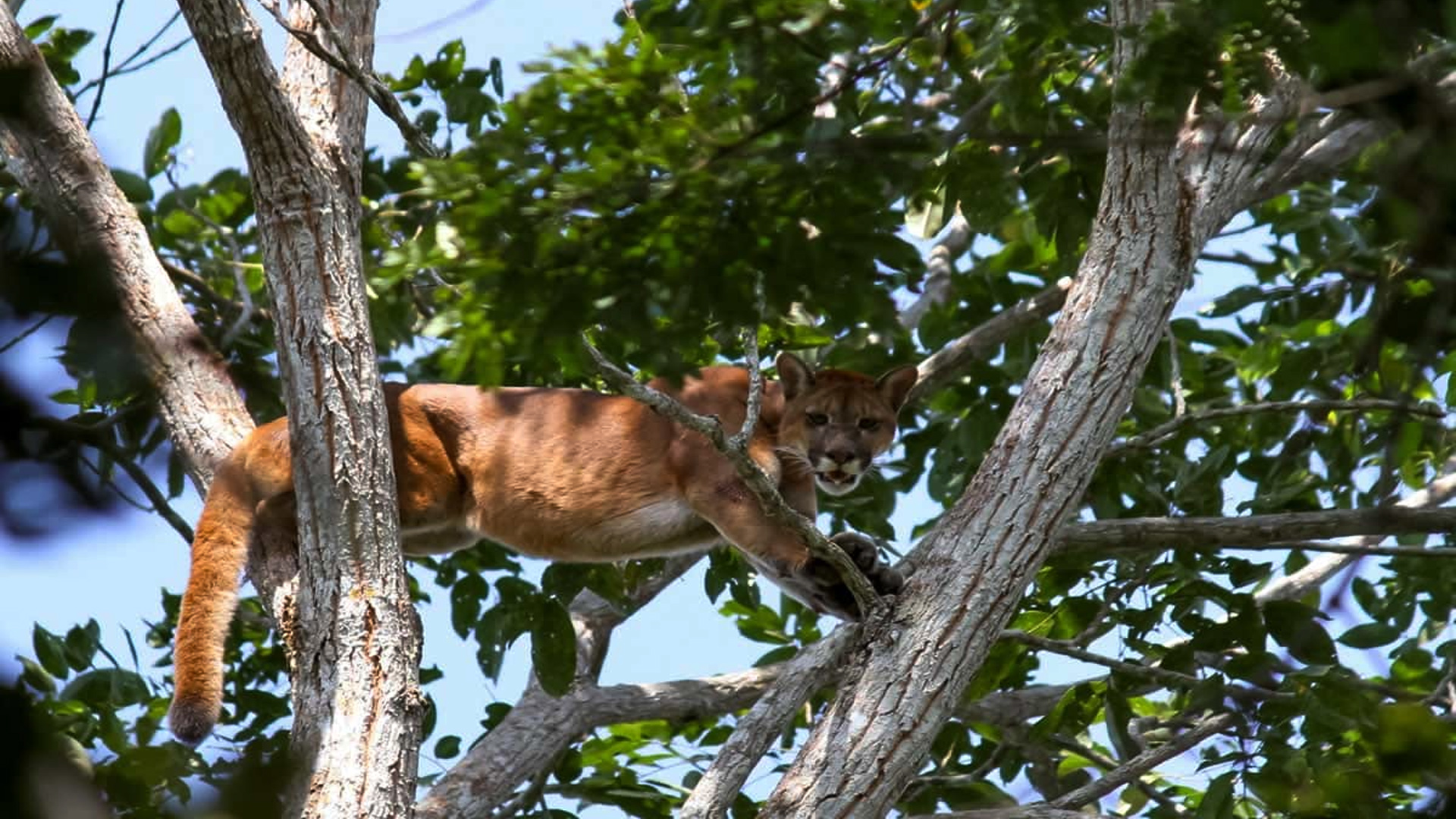
Manu is home to over 1,000 bird species and around 200 mammal species, including jaguars, pumas, spider monkeys, and giant otters. The variety of habitats makes it one of the most biodiverse places on Earth.
For this reason, birdwatching at clay licks is not the only attraction; during your visit, it’s common to spot other fascinating species, both in the water and in the surrounding jungle.
3. The Best Places to See Macaws Clay Licks in Manu
Here are the most notable areas for macaw watching within or near Manu National Park.
3.1. Blanquillo Clay Lick
Located in the lowland zone of Manu, Blanquillo Clay Lick is perhaps the most famous and photogenic. Large flocks of scarlet macaws, blue-and-yellow macaws, and red-and-green macaws gather here.
In addition, it has observation towers and platforms that allow visitors to enjoy the spectacle from a safe distance.
Highlight: Excellent infrastructure and high probability of sightings.
Recommendation: Book in advance, as visitor capacity is limited.
3.2. Boca Manu Clay Lick
Boca Manu is the gateway to several lesser-known clay licks. Here, the experience is more intimate, with smaller groups of observers.
Therefore, it is ideal for photographers and ecotourists seeking to avoid crowds.
3.3. Tambo Blanquillo Clay Lick and surroundings
This area combines clay licks of different sizes and species. As a result, it’s a perfect spot for a multi-day itinerary, as you can visit several clay licks and complement the experience with boat rides and jungle hikes.
4. Best Season and Ideal Conditions to Visit
In general, the best time to visit Manu and its clay licks is the dry season, from May to October. During these months, river levels are lower and rainfall is less frequent, making access easier and increasing bird activity.
However, the rainy season (November to April) also has advantages: fewer tourists and lusher landscapes. Nevertheless, the chances of cancellations due to bad weather are higher.
5. Practical Tips for Travelers
- Arrive before dawn to secure a good spot at the observation post.
- Wear lightweight long-sleeved clothing to protect yourself from insects and the sun.
- Bring binoculars and a camera with a telephoto lens to appreciate details without disturbing the birds.
- Hire local guides experienced in wildlife watching.
- Respect park rules to contribute to conservation.
6. Responsible Tourism and Conservation
The rise in tourism can affect macaw behavior if not managed responsibly.
For this reason, it’s essential to follow guide instructions, remain quiet, and not get too close to the clay licks.
Participating in authorized tours ensures that your visit provides economic benefits to local communities while helping fund protection efforts for these areas.
7. Fun Facts About Manu’s Macaws
7.1. Species diversity
In Manu, it’s possible to spot six species of macaws regularly at the clay licks:
- Scarlet Macaw (Ara macao) – Red plumage with bright blue and yellow touches.
- Blue-and-Yellow Macaw (Ara ararauna) – Famous for its loud calls and paired flights.
- Red-and-Green Macaw (Ara chloropterus) – One of the largest, with robust wings and intense colors.
- Military Macaw (Ara militaris) – More discreet in plumage but highly vocal.
- Red-Fronted Macaw (Ara rubrogenys) – Less common but possible to see in specific areas.
- Hyacinth Macaw (Anodorhynchus hyacinthinus) – The largest of all, though sightings are a rare privilege.
First of all, not all species gather at the same clay lick at the same time. The composition of groups varies depending on the season, fruit abundance, and the location of the clay bank.
7.2. Longevity and social bonds
Macaws can live between 40 and 60 years, and even longer in protected conditions. They form monogamous pairs that usually stay together for life. This means that clay licks are also meeting points to strengthen bonds and teach chicks how to feed on clay.
8. Comparison with Other Famous Clay Licks in Peru
Although Manu’s clay licks are spectacular, other areas in Peru also offer outstanding macaw-watching experiences.
8.1. Collpa Colorado (Tambopata National Reserve)
This is considered the largest macaw clay lick in the world. During peak season, over 100 individuals may gather at the same time.
However, the area is more accessible and receives higher tourist traffic, which reduces the sense of intimacy.
8.2. Collpa Chuncho (Tambopata)
Located upstream in Bahuaja-Sonene National Park, Collpa Chuncho offers large gatherings of birds but requires longer boat trips.
8.3. Manu vs. Tambopata
- Manu: More remote, limited access, fewer visitors, greater sense of exclusivity.
- Tambopata: Easier to reach, more developed infrastructure, higher chance of seeing larger numbers of macaws in a single sighting.
Consequently, choosing between the two depends on the balance you’re seeking between accessibility and authenticity.
9. Recommended Itineraries for Macaw Watching in Manu
9.1. 3-day itinerary
- Day 1: Arrival in Cusco – transfer to Paucartambo area – overnight in intermediate lodge.
- Day 2: Entry into Manu – boat ride along the Madre de Dios River – observation at nearby clay lick.
- Day 3: Morning visit to a clay lick – return to Cusco.
9.2. 4-day itinerary
Includes overnight stay in a lodge near Blanquillo Clay Lick, with extra time for forest walks and sightings of other species.
9.3. 7-day itinerary
Designed for nature and photography lovers, combining clay licks, oxbow lakes, and night hikes to spot mammals.
10. Photographing Macaws at Clay Licks: Techniques and Tips
- Use telephoto lenses of at least 300 mm for close-ups without disturbing the birds.
- Avoid flash, as it may scare them away.
- Bring a tripod for stability in low-light conditions at dawn.
- Be ready for action, since flocks may arrive and leave quickly.
11. Impact of Climate Change and Deforestation
Macaw behavior and clay lick availability are under threat from various factors:
- Deforestation for agriculture and illegal logging.
- Changes in river flow that erode or destroy clay banks.
- Climate change, which alters fruit and seed availability, affecting the birds’ diet.
Therefore, sustainable tourism and scientific research are key to ensuring future generations can enjoy this phenomenon.
12. Conclusion: A Spectacle Worth the Effort
Visiting Manu National Park’s Macaws Clay Licks is an experience that blends adventure, learning, and a deep connection with nature.
Ultimately, it’s not just a birdwatching tour but an immersion into the heart of the Peruvian Amazon, where every sunrise tells a story of survival and beauty.